What is the price of the palletizing robot? And what are the key points for its installation?
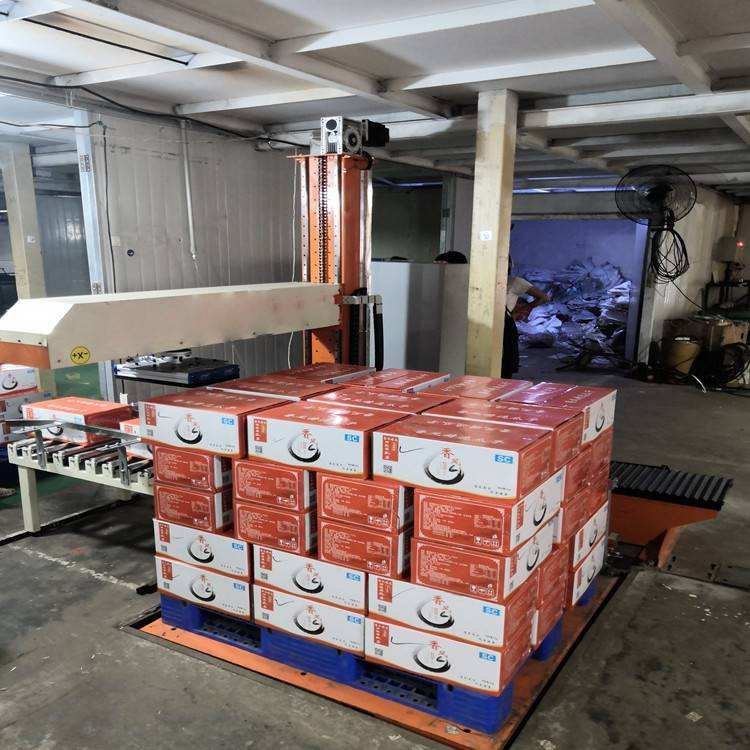
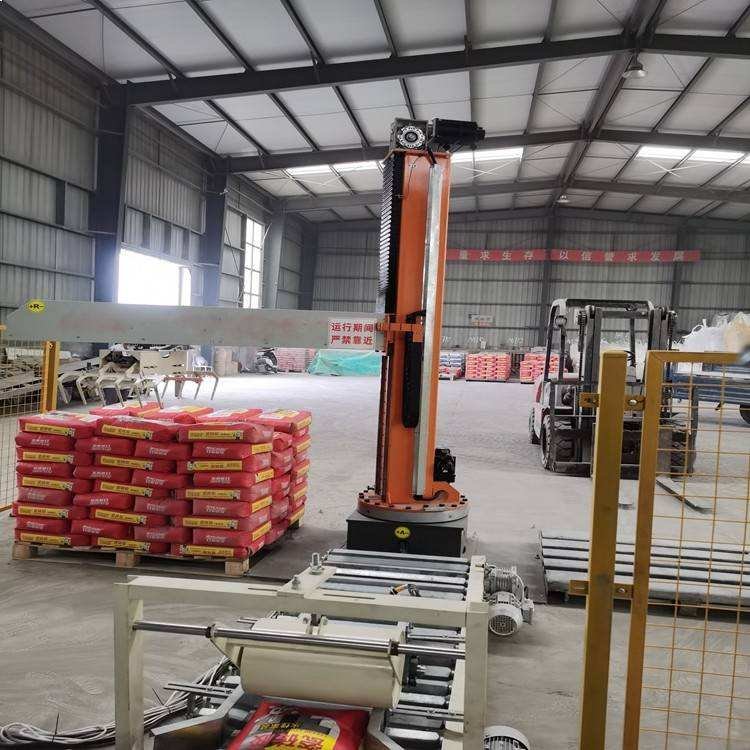
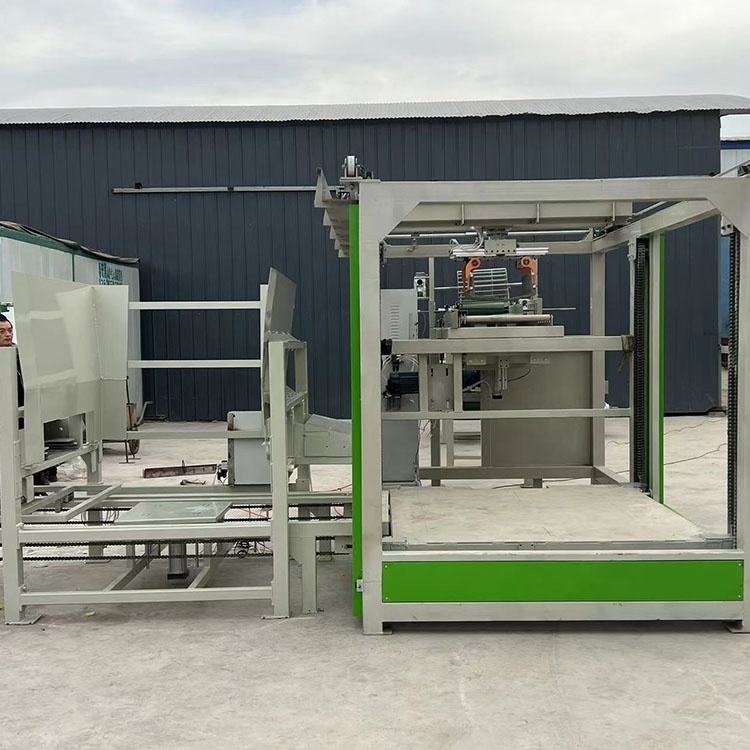
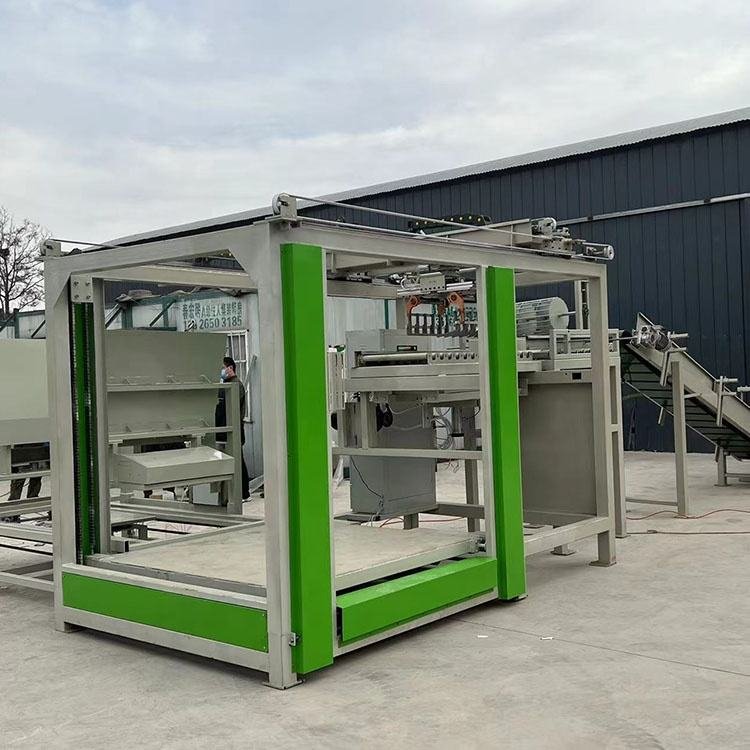
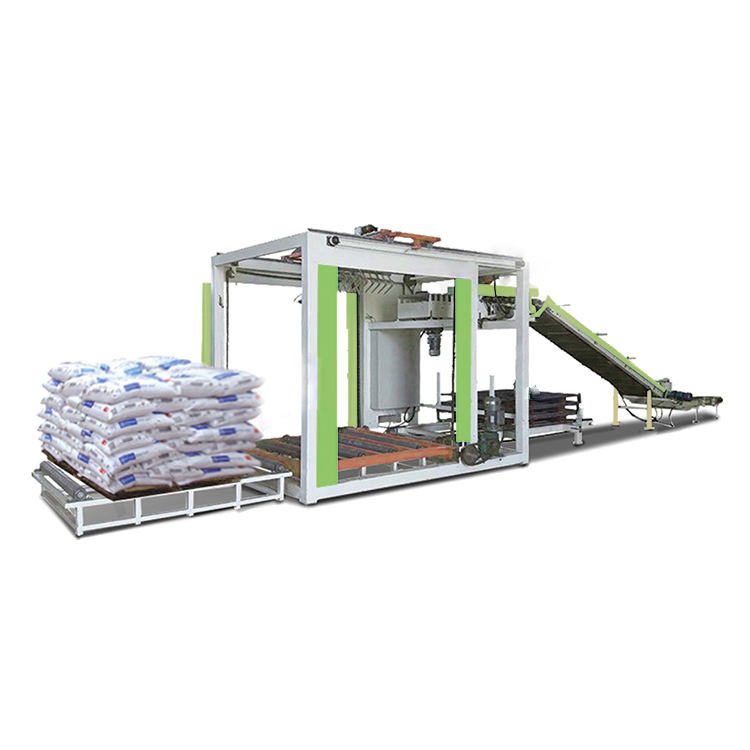
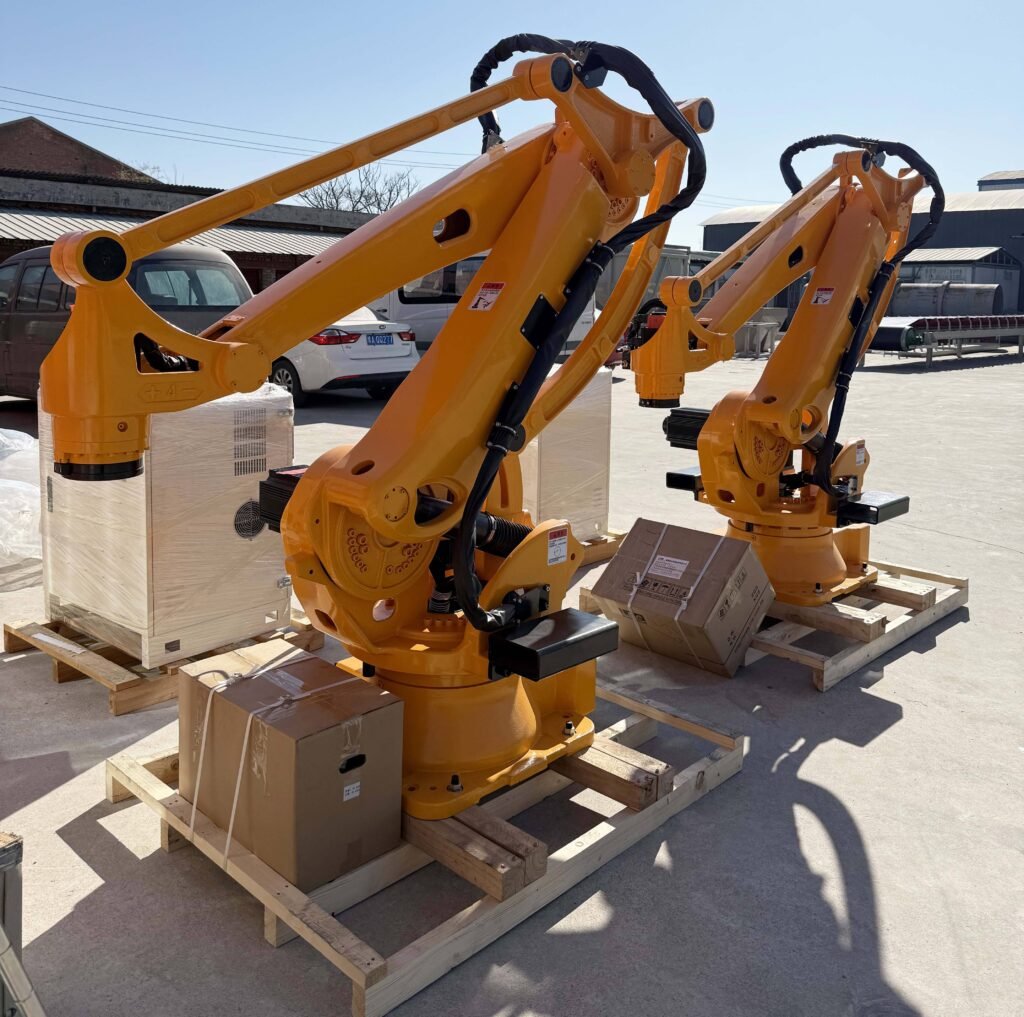
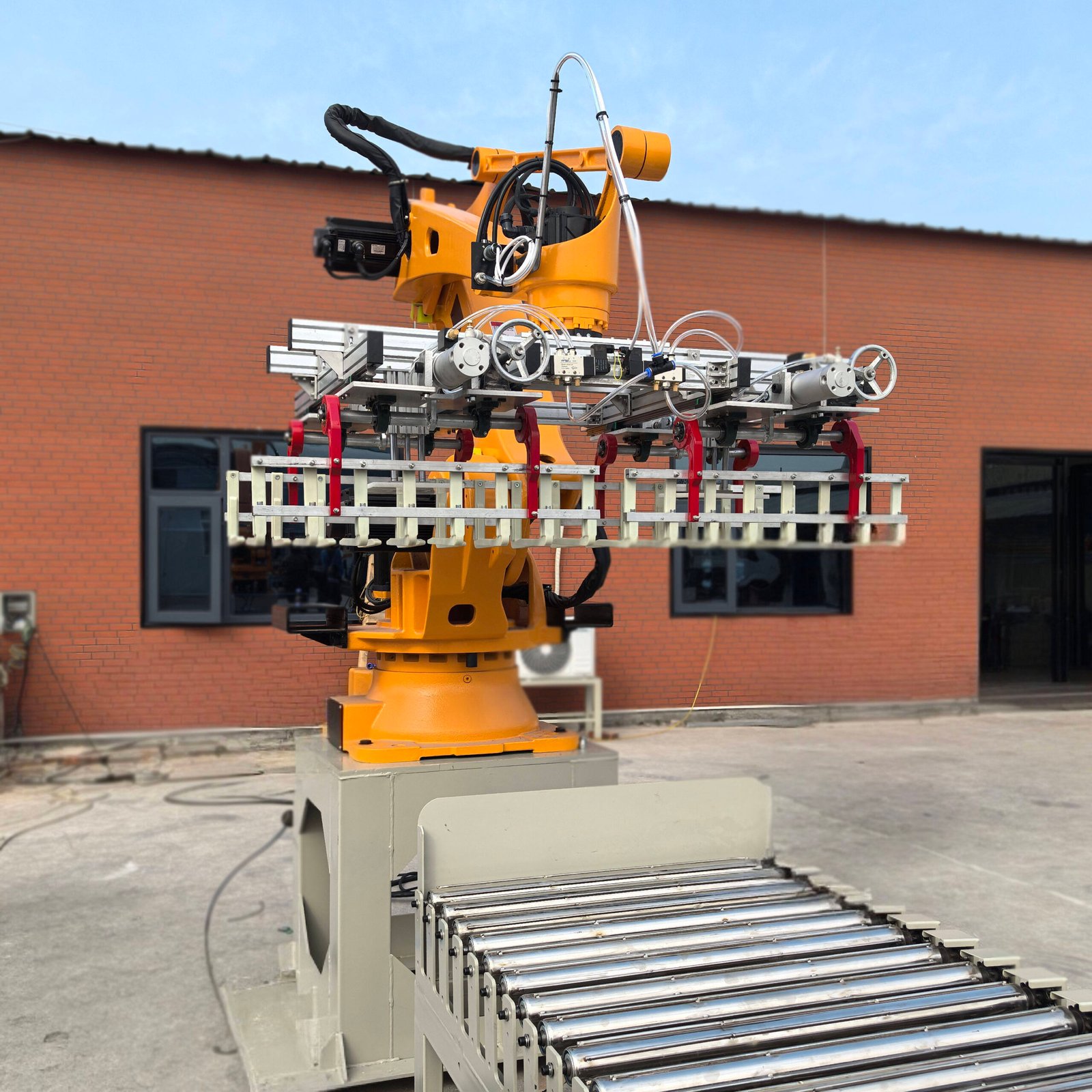
The price of a palletizing robot is not a single fixed number, as it varies significantly based on its payload capacity, reach, brand, and overall configuration. Generally, you can expect a price range. Light-duty robots handling up to 20 kilograms are typically suited for high-speed applications like food and pharmaceuticals and can cost between $20,000 and $40,000. The most common industrial robots for medium-duty tasks, such as palletizing boxes and bags weighing up to 180 kilograms, usually fall in the $35,000 to $70,000 range. For heavy-duty applications involving bulk materials or very large items requiring a payload over 180 kilograms, prices can start from $55,000 and exceed $110,000. It is crucial to remember that the final cost is influenced by the robot arm itself, the end-of-arm tooling like grippers or vacuum lifts, necessary safety fencing and conveyors, and the critical system integration and programming work.
Once the investment is made, a successful installation is paramount for achieving a return. This process hinges on several key aspects. First, a precise site assessment and space planning exercise is essential. You must ensure there is adequate space not just for the robot, but for its full range of motion, associated equipment, and safe maintenance access. The factory floor must also have the required load-bearing capacity and be level to provide a stable base, minimizing vibration.
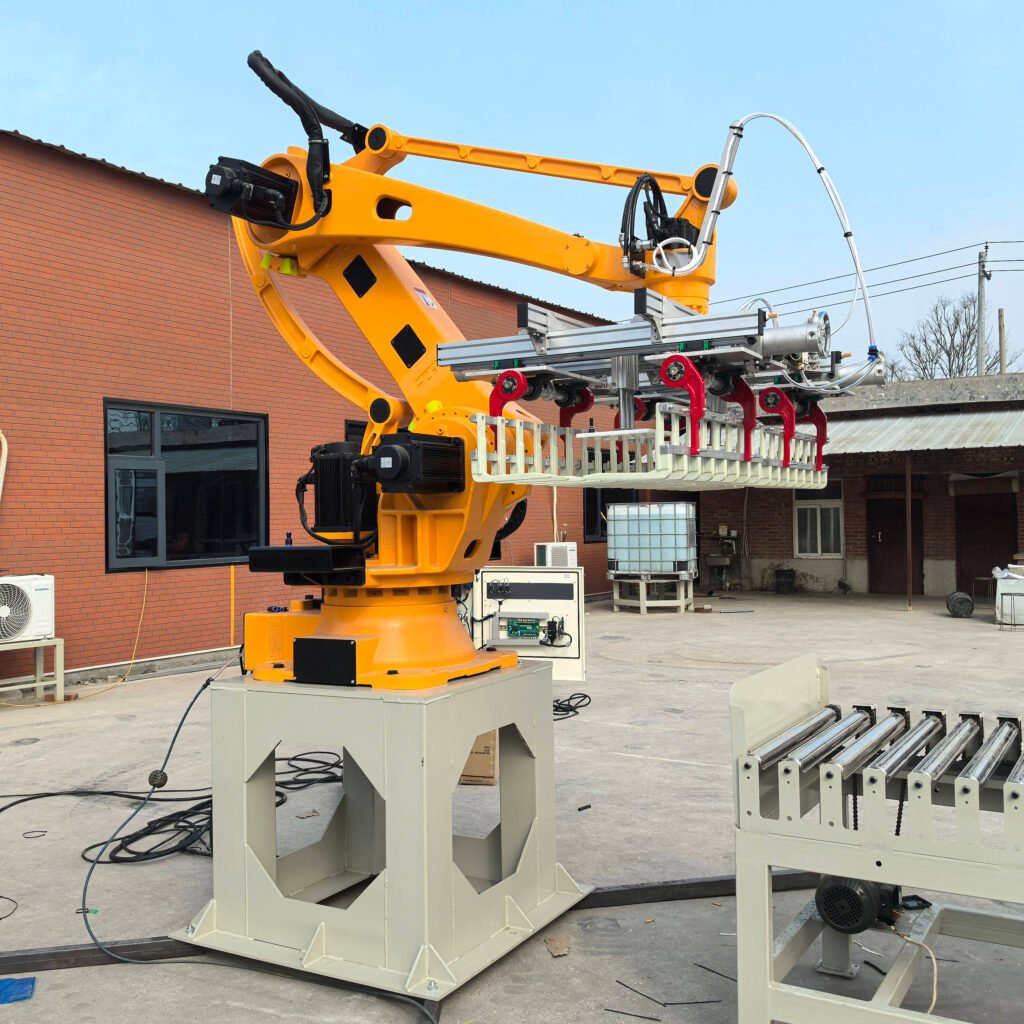
Second, preparing all necessary utilities is a foundational step. The robot requires a stable and correctly specified power supply. If the end-effector is pneumatic, a source of clean, dry compressed air with sufficient pressure and flow is mandatory. Furthermore, network and signal cabling must be planned for seamless communication between the robot, programmable logic controllers, and other peripheral devices.
Third, professional system integration and commissioning bring the system to life. This is where the robot is programmed to work in perfect harmony with the production line. It involves synchronizing with upstream packaging machines and downstream conveyors, fine-tuning pick-and-place positions, and programming all the required pallet patterns. Utilizing virtual commissioning through simulation software beforehand can drastically reduce on-site debugging time by identifying issues early.
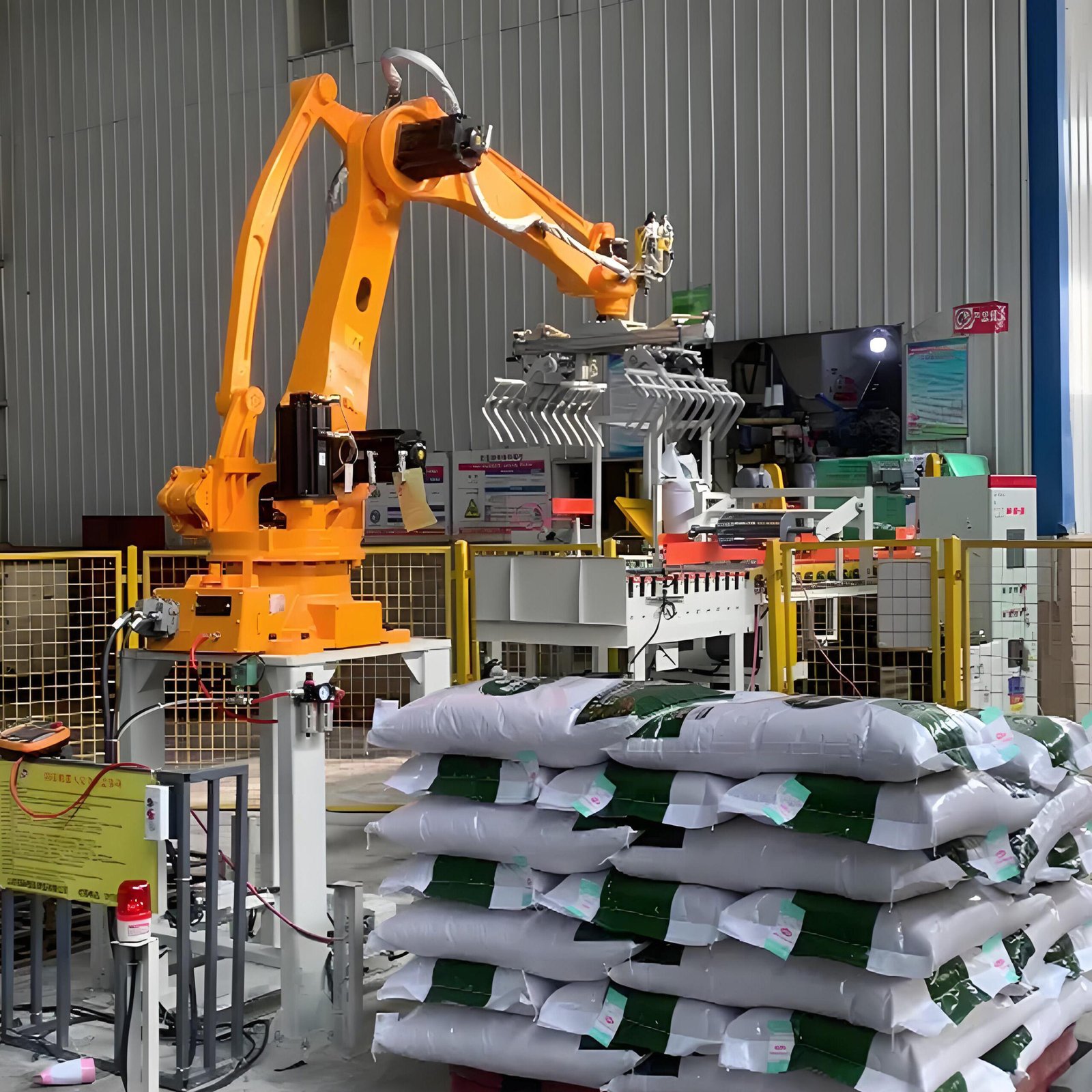
Finally, implementing a rigorous safety scheme is an non-negotiable priority. This includes installing robust physical fencing with safety interlock switches that halt the robot when a door is opened. Additional protective devices like safety light curtains or laser scanners should be considered to create invisible barriers. Easily accessible emergency stop buttons must be placed around the workcell, and all operators and maintenance personnel must receive thorough training on safe operating procedures to understand and mitigate potential risks. A well-planned installation ensures the robot operates efficiently, safely, and reliably for years to come.