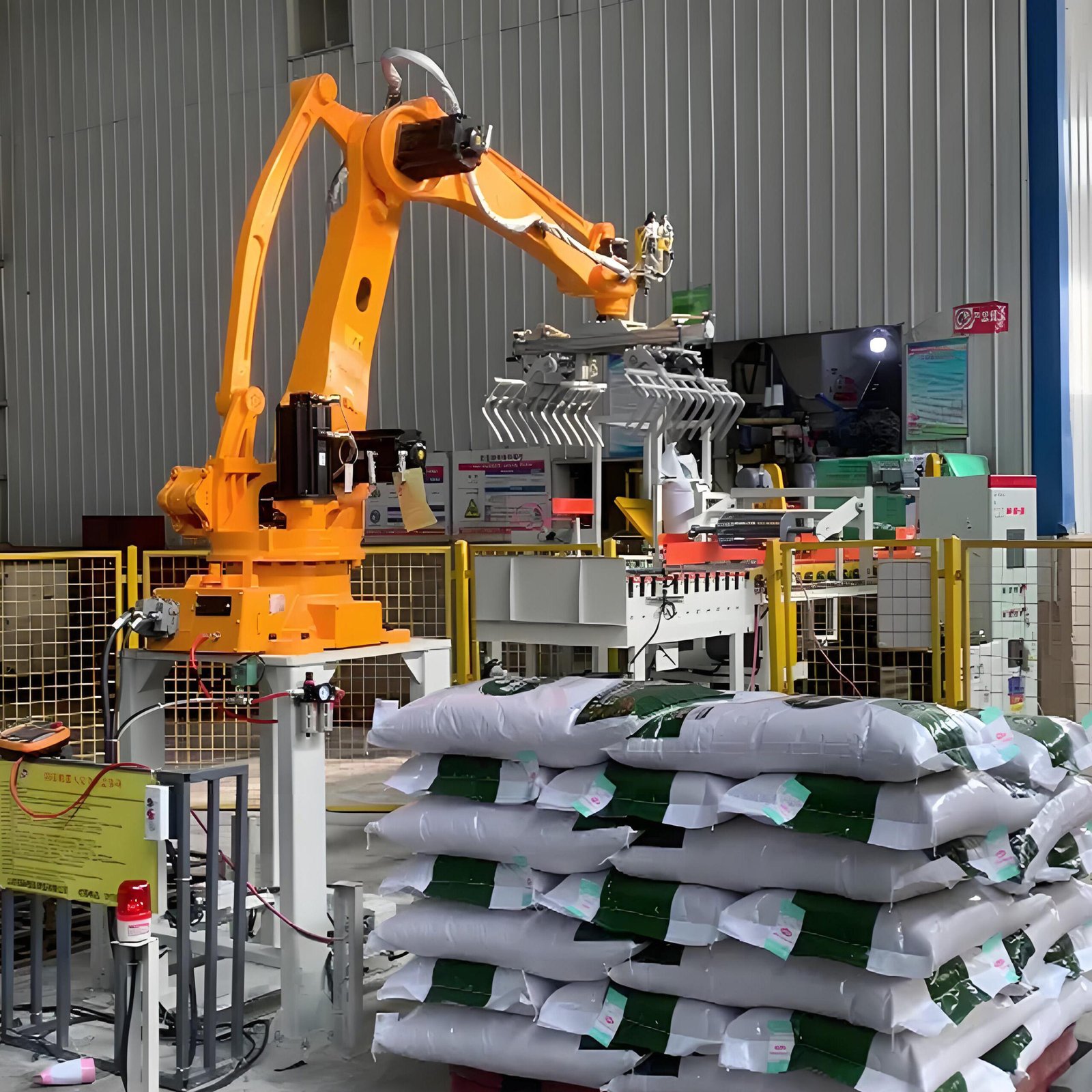
FREE RETURNS. STANDARD SHIPPING ORDERS $99+

Gantry Palletizer Price & 5 Key Strategies to Reduce Energy Consumption

Gantry Palletizer Price & 5 Key Strategies to Reduce Energy Consumption

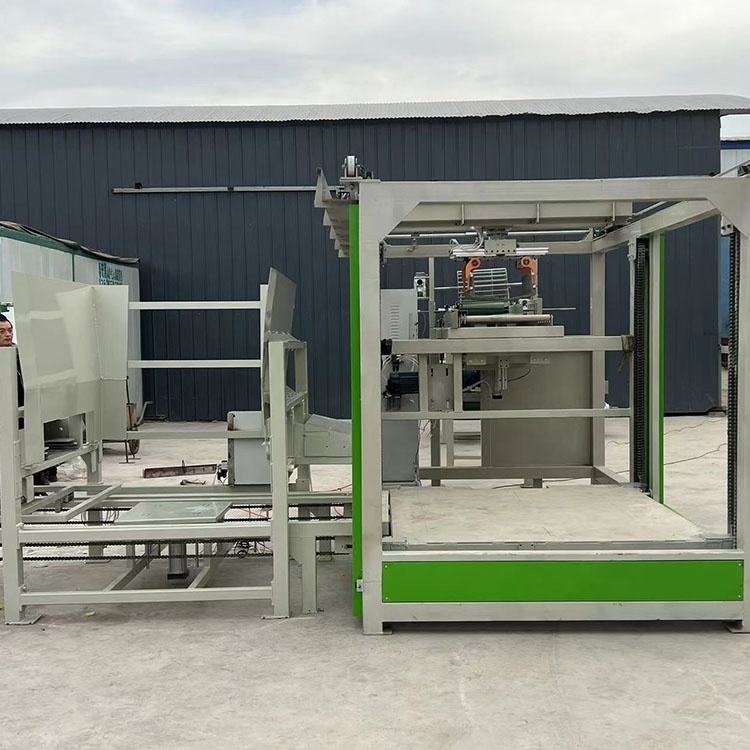
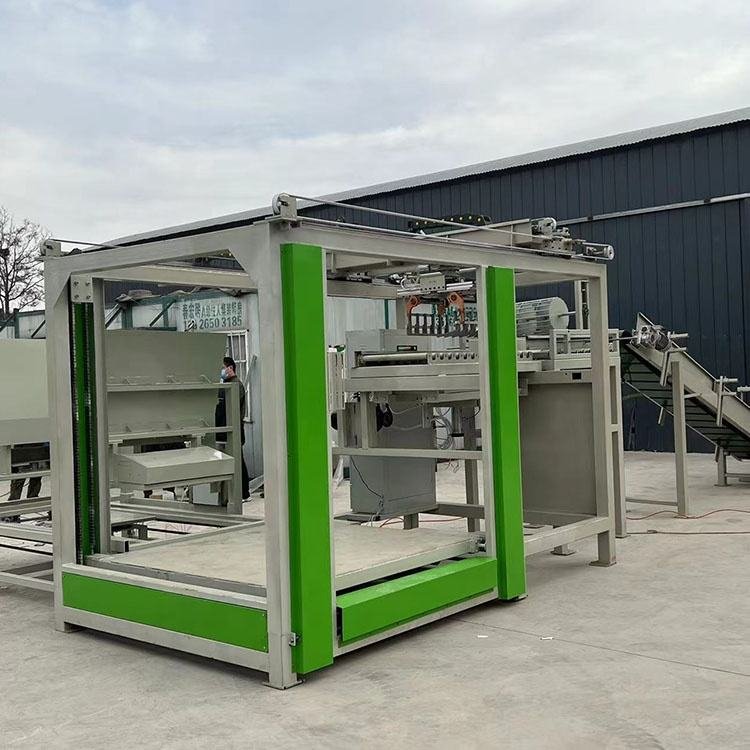
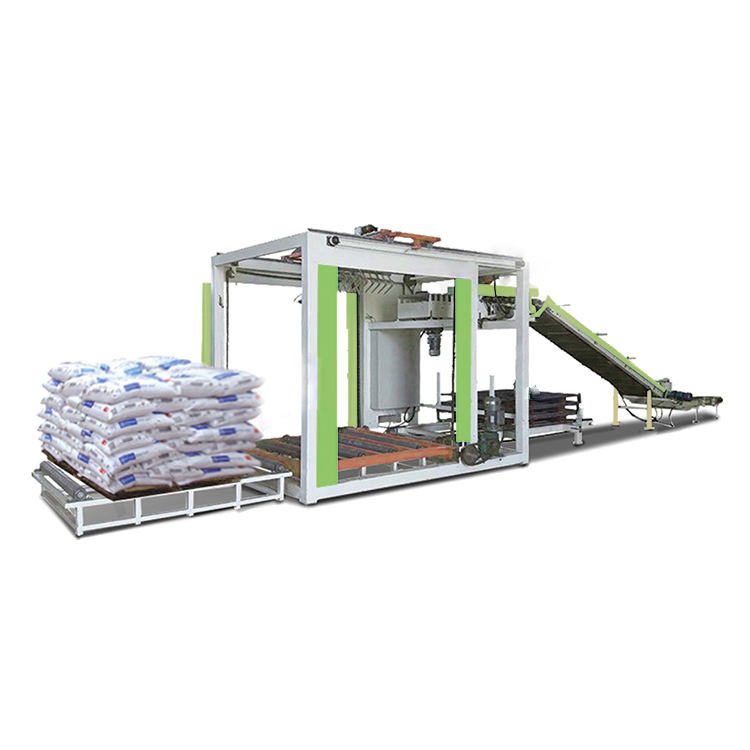
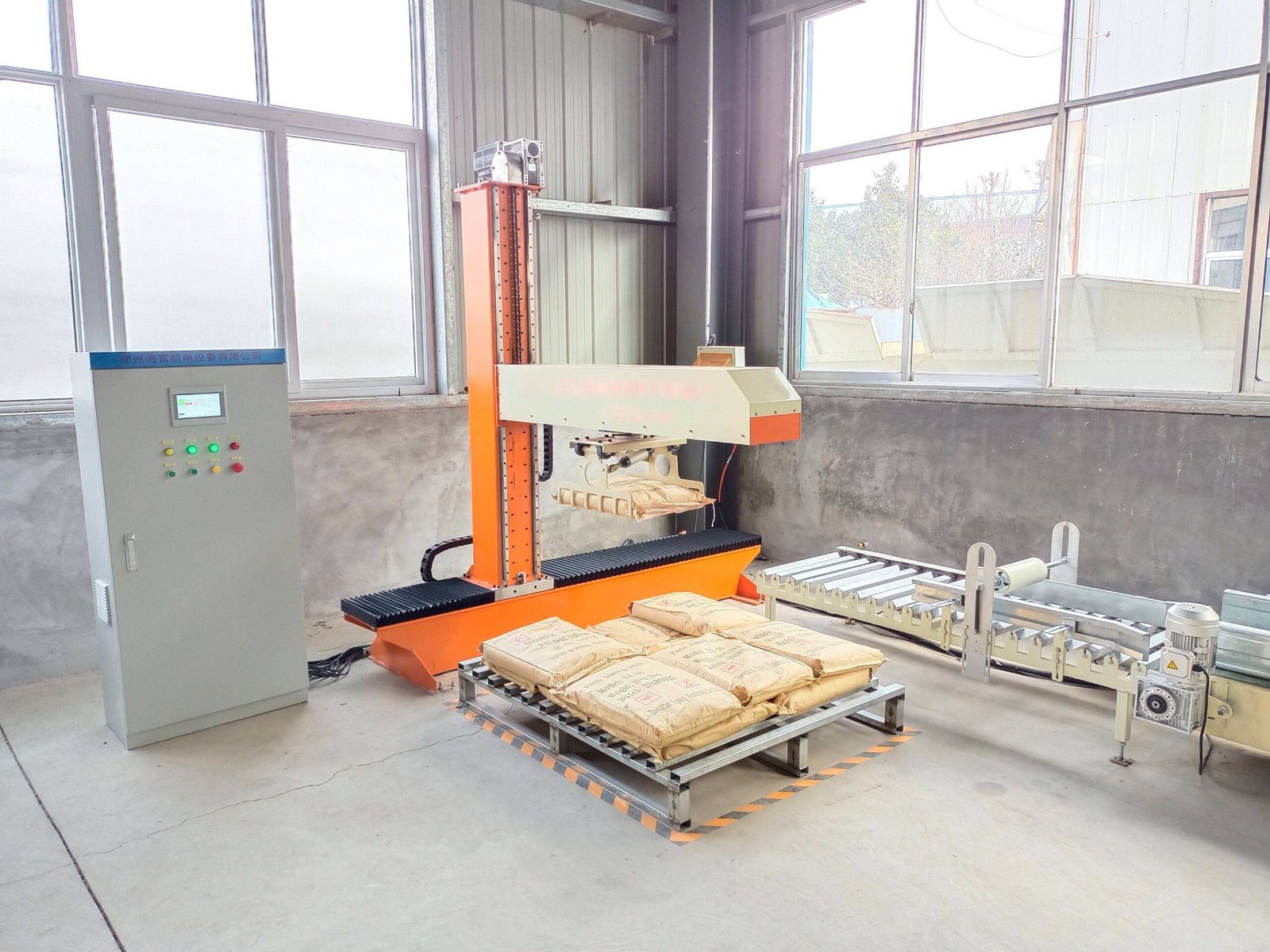
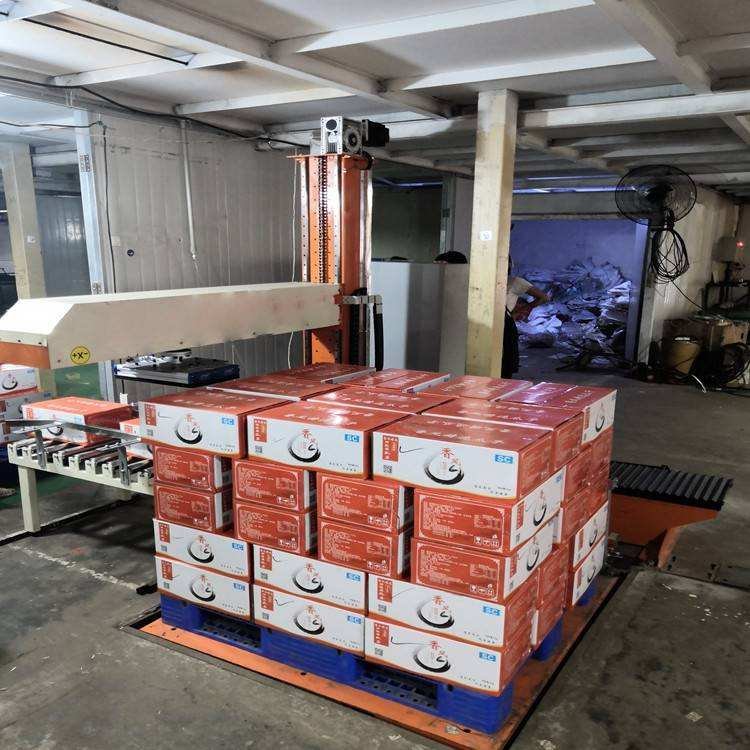
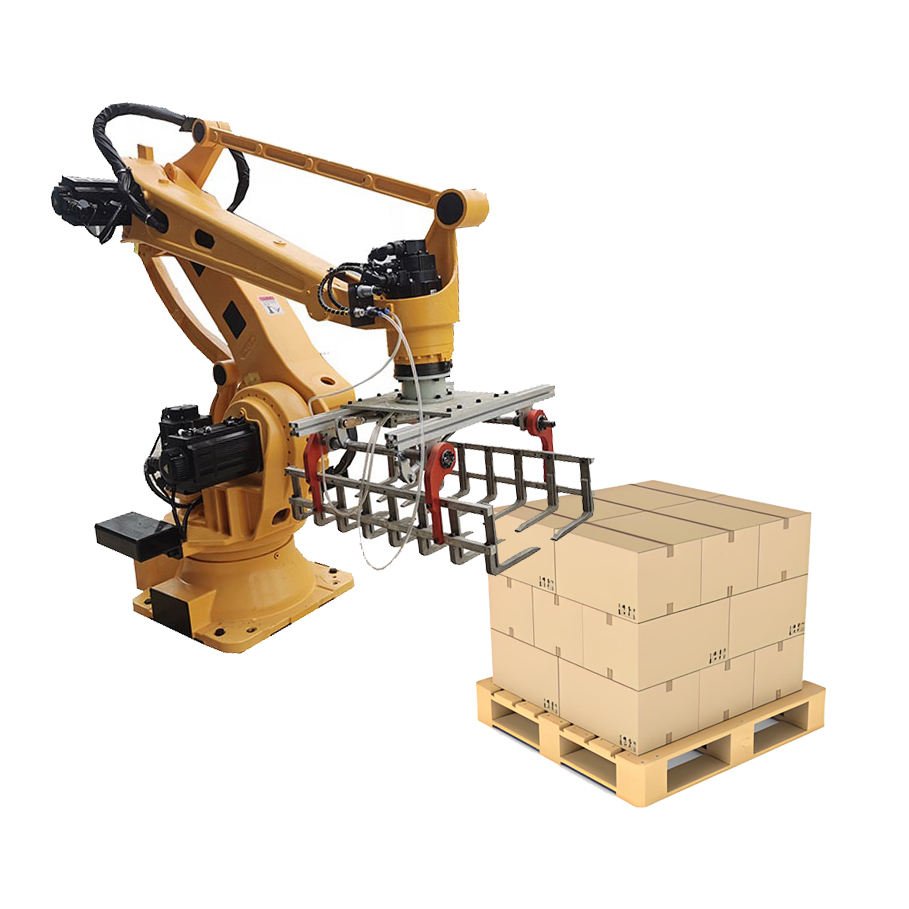
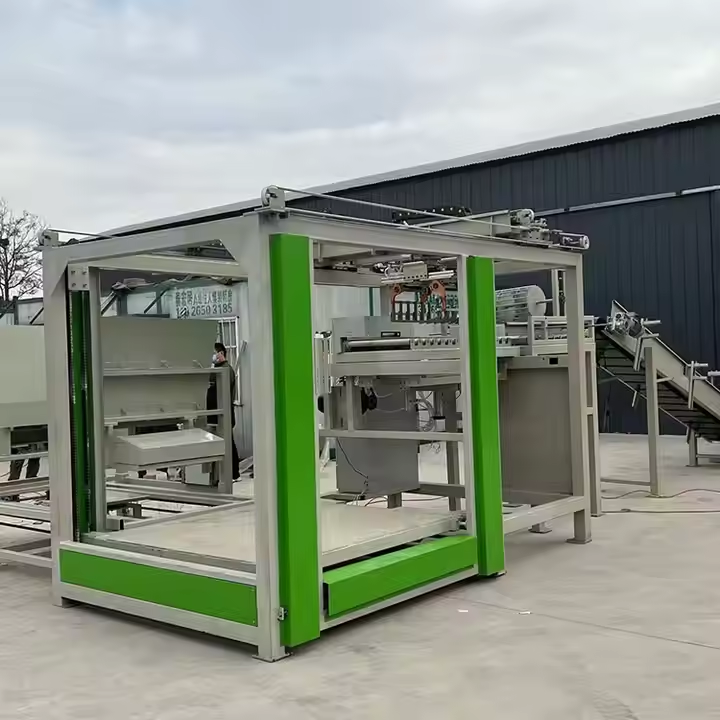
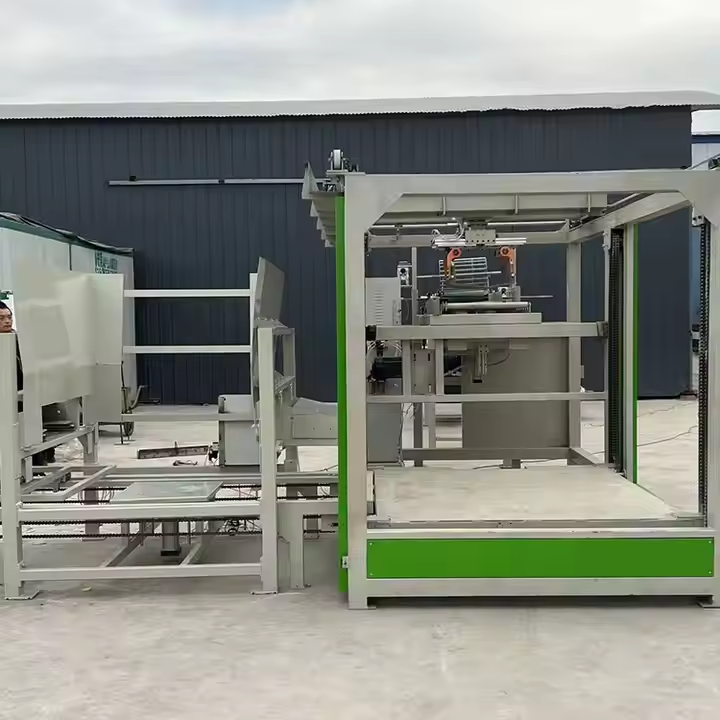
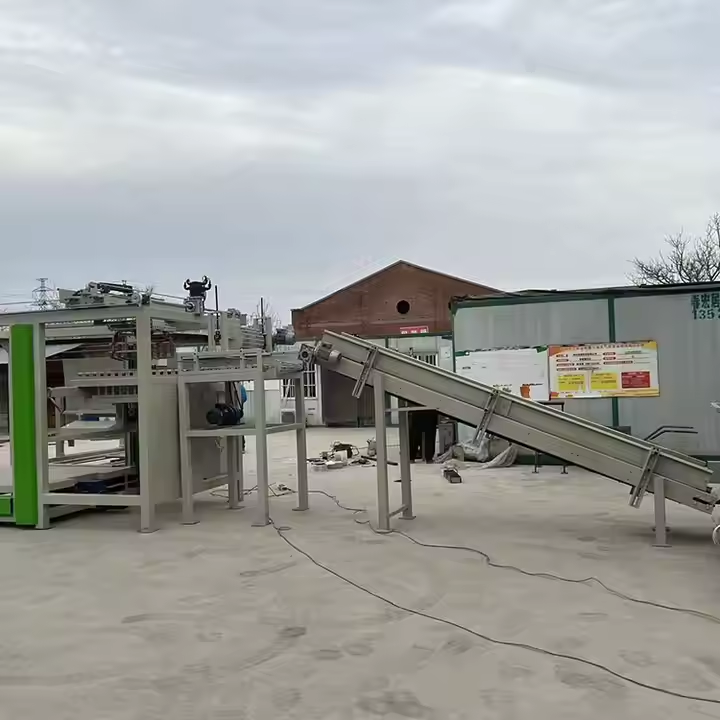
For businesses handling heavy loads or requiring high-speed palletizing, a gantry (or portal) palletizer is an ideal automation solution. Two critical factors in this investment are the initial gantry palletizer price and its long-term operational costs, particularly energy consumption. This guide provides a clear breakdown of current market prices and delivers five practical strategies to significantly reduce your gantry palletizer’s electricity usage.

Gantry Palletizer Price: A 2024 Market Overview

The price of a gantry palletizer is influenced by its construction, load capacity, speed, and level of automation. Below is a general pricing guide to help with your budgeting:

Specification TierAverage Price Range (USD)Best Application
Light to Medium Duty\$80,000 – \$130,000Lower speeds, standard patterns, payloads up to 500 kg. Ideal for bags, boxes.
Heavy Duty / Standard\$130,000 – \$200,000High-speed applications, heavy payloads (500-1500 kg), robust construction.
Custom / High-Speed\$200,000 – \$300,000+Extreme speeds, custom engineering, very heavy payloads (1500kg+), advanced integration.

Key Factors Influencing Gantry Palletizer Cost:

  • Load Capacity & Speed: Higher cycles per hour (CPH) and greater weight capacity directly increase the price due to the need for more powerful motors and heavier-duty structural materials.
  • Construction & Materials: The size of the portal frame and the quality of components (e.g., linear guides, servo motors) are major cost drivers.
  • Level of Automation: Basic systems are less expensive. Integration with robotic arms for layer forming, advanced PLC controls, and vision systems will add to the cost.
  • Brand and Support: Established brands with global service networks typically command a premium over smaller manufacturers.

5 Effective Methods to Reduce Your Gantry Palletizer’s Energy Consumption

While the gantry palletizer price is a key consideration, its ongoing electricity cost impacts your total cost of ownership (TCO). Implementing these strategies can lead to substantial energy savings.
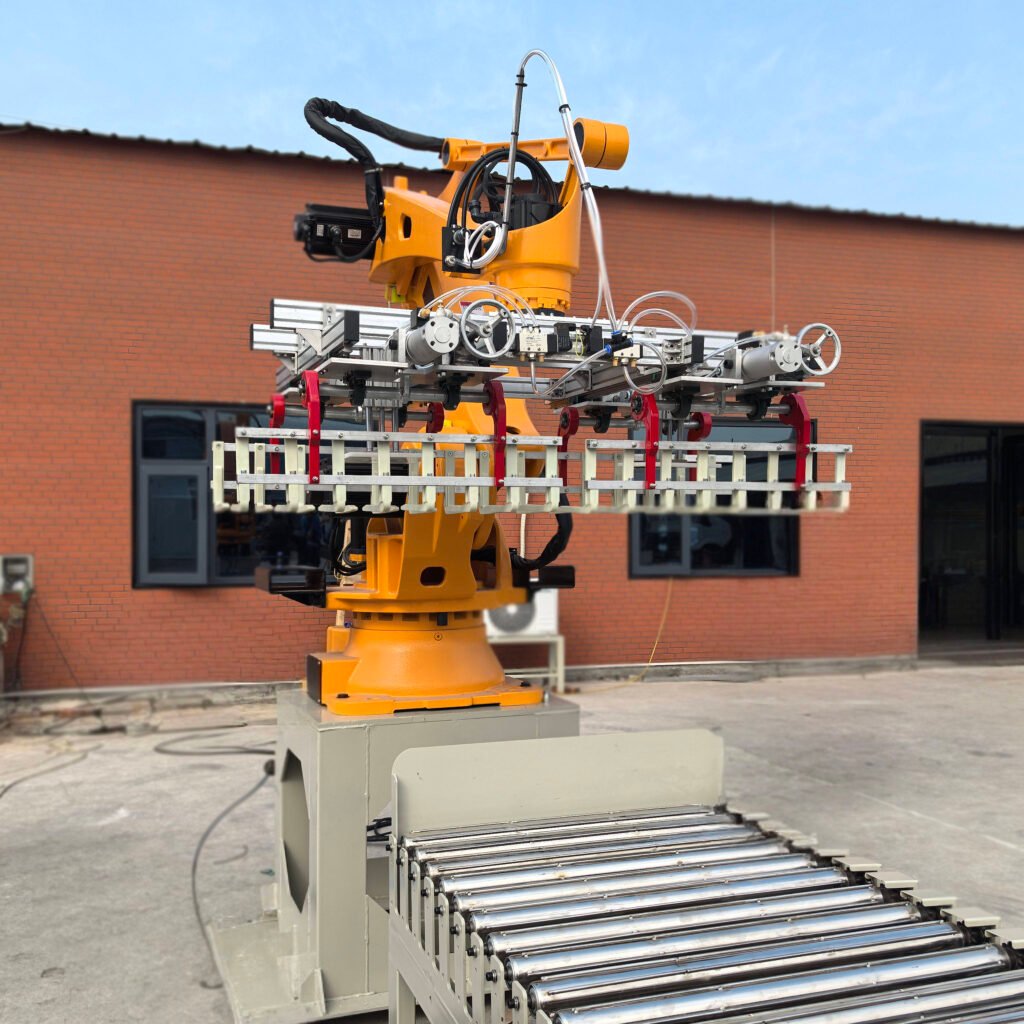
1. Optimize Movement Patterns and Path Planning
The travel path of the gantry’s trolley and hoist directly impacts energy use.

  • Efficient Trajectories: Program the most direct and logical routes for pick-and-place operations. Minimizing unnecessary travel distance reduces motor workload.
  • Smooth Acceleration/Deceleration: Avoid jarring starts and stops. Using software to ramp acceleration and deceleration smoothly reduces peak power demands and saves energy.

2. Utilize High-Efficiency Motors and Drives
The core of energy consumption lies in the motors that drive the axes.

  • Invest in IE3/IE4 Premium Efficiency Motors: While sometimes a higher initial investment, these motors convert electrical energy into motion much more efficiently, leading to long-term savings.
  • Implement Regenerative Drives: This advanced technology captures the kinetic energy generated when the hoist lowers a heavy load or when a axis decelerates, converting it back into electricity that can be reused within the system. This is particularly effective for high-duty-cycle applications.

3. Implement Smart Power Management Modes
A gantry palletizer doesn’t need to run at full power during periods of inactivity.

  • Auto Sleep/Idle Mode: Program the machine to automatically enter a low-power state after a predefined period of no activity (e.g., during a production line break).
  • Scheduled Shutdown: Integrate the palletizer’s control system with the main production line to ensure it powers down completely at the end of a shift, rather than sitting idle.

4. Right-Size the Equipment for the Application
Using an overpowered machine is inherently inefficient.

  • Match Capacity to Need: Select a gantry palletizer with a payload capacity that closely matches your typical load with a reasonable safety factor. A machine rated for 2000kg palletizing 500kg loads is wasting energy moving its own massive structure.
  • Evaluate Speed Requirements: Choose a machine that meets your required cycles per hour without excessive overcapacity, as higher top speeds require more powerful (and energy-hungry) components.

5. Commit to Rigorous Preventive Maintenance
A well-maintained machine operates with less resistance and higher efficiency.

  • Regular Lubrication: Ensure all moving parts, especially linear guides and bearings, are properly lubricated to minimize friction, which forces motors to work harder.
  • Check Mechanical Alignment: Misaligned rails or drives can cause binding and increased energy consumption. Schedule regular inspections and adjustments.
  • Inspect and Tighten Components: Loose mechanical or electrical connections can lead to energy loss and inefficiency.

Maximize Your Investment with an Efficient Gantry Palletizer

Understanding the gantry palletizer price is crucial for budgeting, but optimizing for energy efficiency is what protects your profitability for years to come. By focusing on smart technology and maintenance, you reduce your operational expenses and environmental footprint.

Ready for an Energy-Efficient Solution?
we provide not only high-performance gantry palletizers and robotic palletizing arms but also expert consultation to ensure you get the most efficient and cost-effective system for your needs.
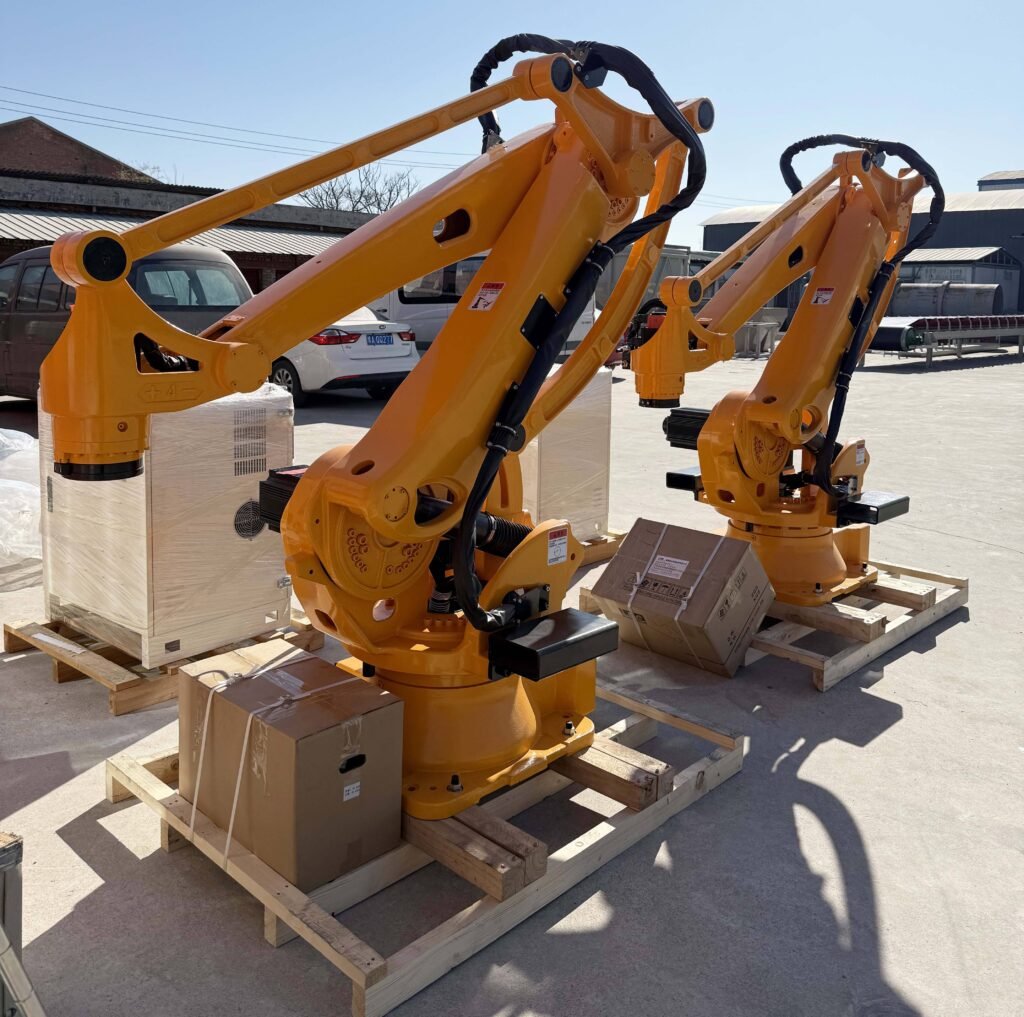
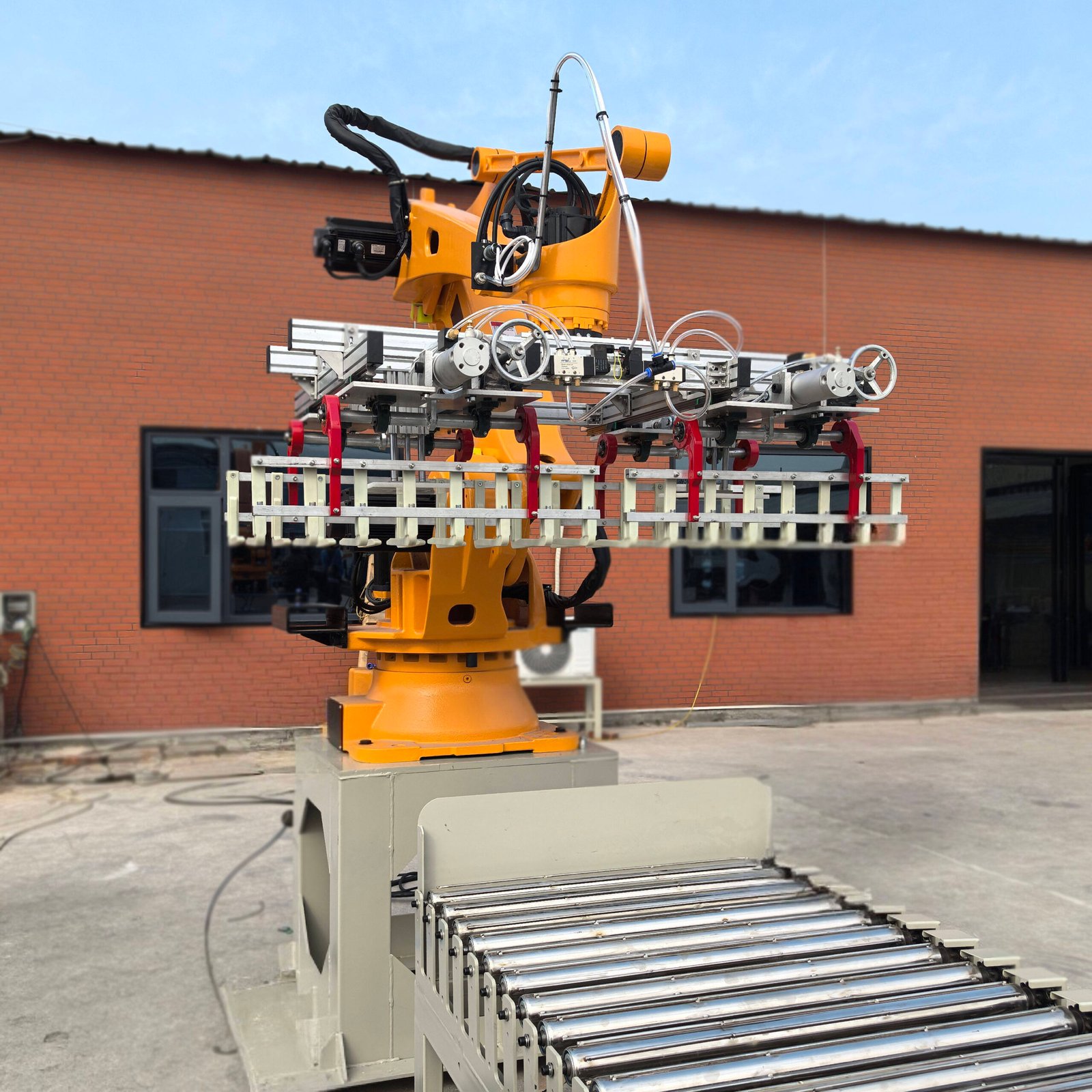
Contact us today for a detailed quote and a free assessment of how our automation solutions can reduce your energy costs and boost your productivity.

Palletizing Robot Price & 5 Effective Ways to Reduce Energy Consumption

Palletizing Robot Price & 5 Effective Ways to Reduce Energy Consumption

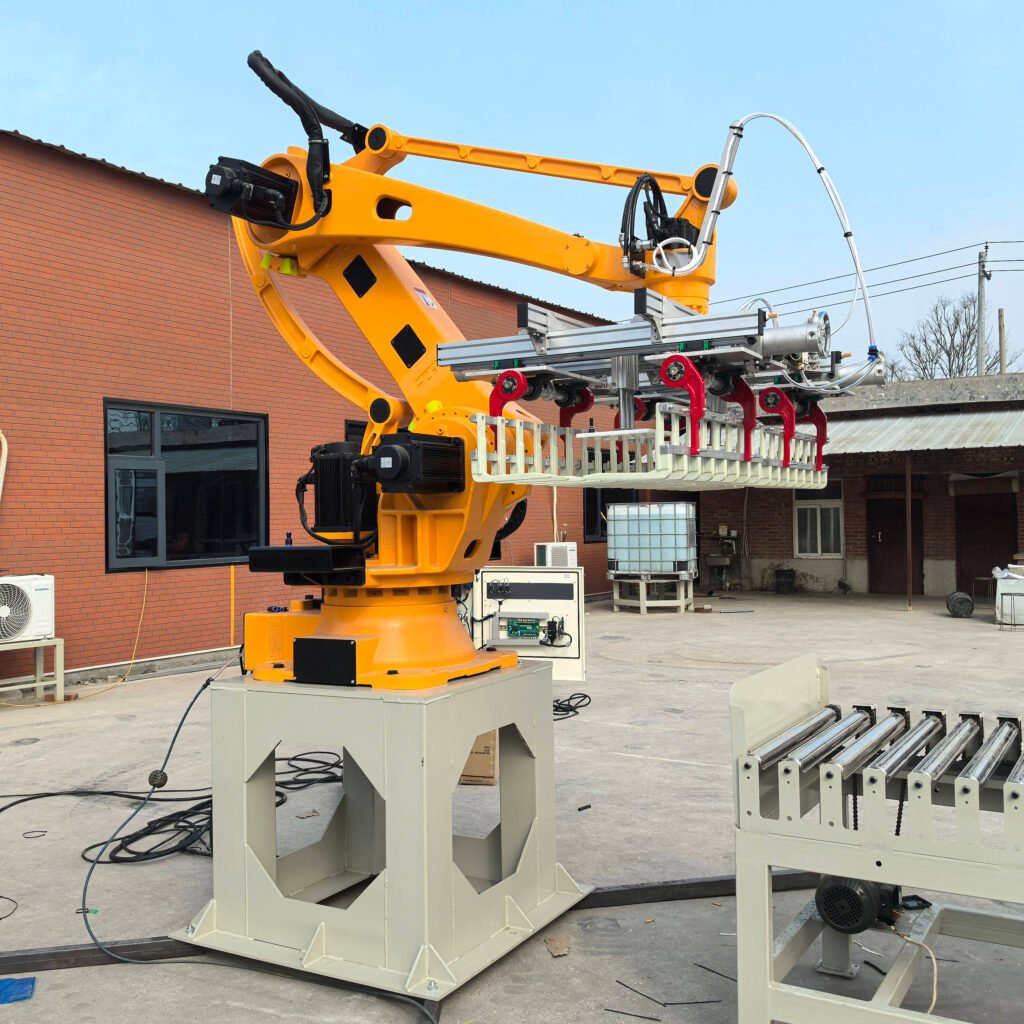
Automating your production line with a palletizing robot is a powerful step towards greater efficiency and scalability. However, two key concerns for any operations manager are the initial investment and the long-term operating costs. This article will demystify the current market price for palletizing robots and provide five actionable strategies to reduce your robot’s energy consumption, lowering your total cost of ownership (TCO).

Palletizing Robot Price: 2024 Investment Guide

The price of a palletizing robot is highly variable, depending on its payload, reach, speed, and brand. Below is a general overview of the market to help you budget effectively.

Robot SpecificationAverage Price Range (USD)Ideal Application
Light Duty (≤ 20 kg payload)\$70,000 – \$120,000Food & beverage, pharmaceuticals, small parcels. High speed, lower weight.
Medium Duty (20 – 180 kg payload)\$100,000 – \$180,000Beverage cans, bags, medium-sized boxes. The most common range for industrial palletizing.
Heavy Duty (180+ kg payload)\$150,000 – \$250,000+Building materials, large bags of cement or fertilizer, automotive parts.

What Influences the Final Palletizing Robot Cost?

  • Payload and Reach: Higher capacity and a longer reach require more robust components, increasing the price.
  • Number of Axes: A standard 4-axis robot is typically less expensive than a more flexible 6-axis robotic arm.
  • Brand: Established brands (e.g., Fanuc, KUKA, ABB) command a premium, while other quality manufacturers offer competitive pricing.
  • End-of-Arm Tooling (EOAT): A simple vacuum head is standard. Custom mechanical grippers or tool changers add cost.
  • Software & Vision: Advanced software for complex patterns or a vision system to handle random carton placement will increase the investment.
  • Integration & Safety: Costs for safety fencing, conveyors, and professional system integration are typically not included in the base robot price.

5 Key Strategies to Reduce Your Palletizing Robot’s Energy Consumption

While the purchase price of a palletizing robot is a capital expense, its electricity usage is a recurring operational cost. Here’s how to minimize it:

1. Optimize Robot Path Planning and Movement
Inefficient movement paths waste significant energy. Use the robot’s programming software to:

  • Minimize Acceleration/Deceleration: Smooth, calculated movements use less energy than frequent, jarring stops and starts.
  • Optimize Trajectories: Program the most direct paths between pick and place points. Reducing unnecessary travel distance directly lowers energy use.
  • Utilize Built-in Energy-Saving Functions: Many modern controllers have settings that optimize motion control for lower power consumption.

2. Implement Smart “Stop/Start” and Idle Modes
A robot doesn’t need to run at full power during line stoppages (e.g., lunch breaks, shift changes).

  • Programmed Downtime: Configure the robot to enter a low-power “sleep” or “idle” mode after a set period of inactivity.
  • Auto-Restart: Integrate the robot’s control system with the upstream conveyor so it automatically wakes up when product is detected, ensuring no loss of productivity.

3. Select the Right Robot for the Application
Using an overpowered robot for a simple task is inefficient.

  • Right-Sizing: Choose a model with a payload capacity that matches your product weight with a small safety margin. A 180kg robot palletizing 10kg boxes is using energy to move its own massive structure unnecessarily.
  • 4-Axis vs. 6-Axis: For standard layer palletizing where the product doesn’t need to be reoriented mid-air, a 4-axis robot is often more energy-efficient than a 6-axis model.

4. Utilize Regenerative Drive Technology
Many advanced palletizing robots are now equipped with regenerative drives. This technology converts the kinetic energy generated when the robot decelerates or lowers a heavy payload back into electricity, which is then fed back into the power system. This can lead to substantial energy savings, especially in high-cycle applications.

5. Conduct Regular Preventive Maintenance
A poorly maintained robot is an inefficient one. A strict maintenance schedule ensures optimal performance.

  • Check Mechanical Components: Worn-out gears, bearings, or joints create friction, forcing the motors to work harder and use more electricity.
  • Ensure Proper Calibration: A well-calibrated robot moves with precision, avoiding wasteful, corrective movements.
  • Maintain Pneumatics: If your End-of-Arm Tooling (EOAT) uses pneumatic suction, fix any air leaks immediately, as compressed air is a significant energy cost driver.

Invest in an Energy-Efficient Palletizing Solution

Understanding the palletizing robot price is the first step. Implementing these energy-saving practices ensures you maximize your return on investment by minimizing ongoing operational expenses for years to come.

Looking for an Efficient Palletizing Robot?
we specialize in recommending the right palletizing automation solution for your specific needs and budget. Our experts can help you select a model that balances upfront cost with long-term energy efficiency.

Contact us today for a free energy assessment and a detailed quote on a high-performance, cost-effective palletizing robot for your facility.

What is the price of the palletizing robot? And what are the key points for its installation?

The price of a palletizing robot is not a single fixed number, as it varies significantly based on its payload capacity, reach, brand, and overall configuration. Generally, you can expect a price range. Light-duty robots handling up to 20 kilograms are typically suited for high-speed applications like food and pharmaceuticals and can cost between $20,000 and $40,000. The most common industrial robots for medium-duty tasks, such as palletizing boxes and bags weighing up to 180 kilograms, usually fall in the $35,000 to $70,000 range. For heavy-duty applications involving bulk materials or very large items requiring a payload over 180 kilograms, prices can start from $55,000 and exceed $110,000. It is crucial to remember that the final cost is influenced by the robot arm itself, the end-of-arm tooling like grippers or vacuum lifts, necessary safety fencing and conveyors, and the critical system integration and programming work.

Once the investment is made, a successful installation is paramount for achieving a return. This process hinges on several key aspects. First, a precise site assessment and space planning exercise is essential. You must ensure there is adequate space not just for the robot, but for its full range of motion, associated equipment, and safe maintenance access. The factory floor must also have the required load-bearing capacity and be level to provide a stable base, minimizing vibration.

Second, preparing all necessary utilities is a foundational step. The robot requires a stable and correctly specified power supply. If the end-effector is pneumatic, a source of clean, dry compressed air with sufficient pressure and flow is mandatory. Furthermore, network and signal cabling must be planned for seamless communication between the robot, programmable logic controllers, and other peripheral devices.

Third, professional system integration and commissioning bring the system to life. This is where the robot is programmed to work in perfect harmony with the production line. It involves synchronizing with upstream packaging machines and downstream conveyors, fine-tuning pick-and-place positions, and programming all the required pallet patterns. Utilizing virtual commissioning through simulation software beforehand can drastically reduce on-site debugging time by identifying issues early.

Finally, implementing a rigorous safety scheme is an non-negotiable priority. This includes installing robust physical fencing with safety interlock switches that halt the robot when a door is opened. Additional protective devices like safety light curtains or laser scanners should be considered to create invisible barriers. Easily accessible emergency stop buttons must be placed around the workcell, and all operators and maintenance personnel must receive thorough training on safe operating procedures to understand and mitigate potential risks. A well-planned installation ensures the robot operates efficiently, safely, and reliably for years to come.

Column Palletizer Price & Top 7 Methods to Reduce Failure Rates

Column Palletizer Price & Top 7 Methods to Reduce Failure Rates

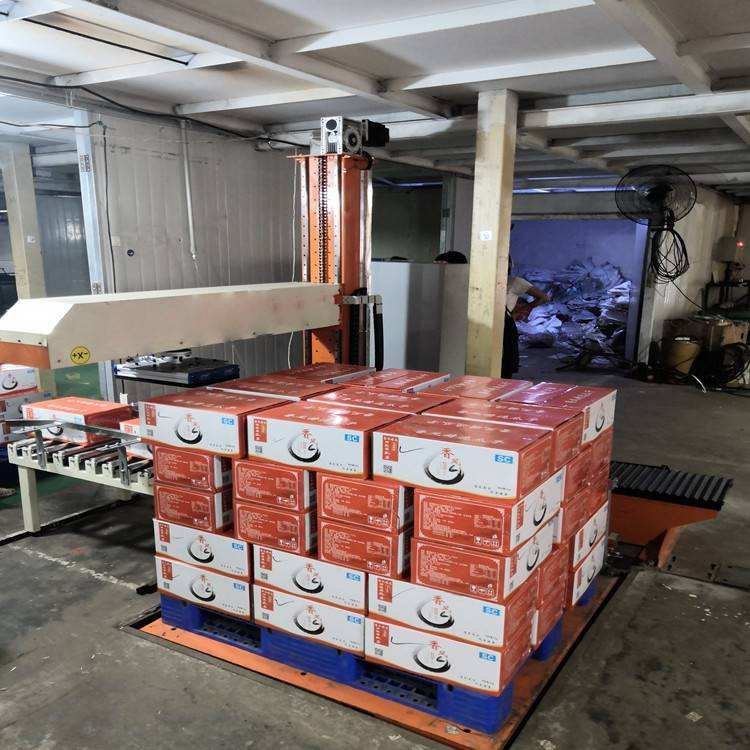
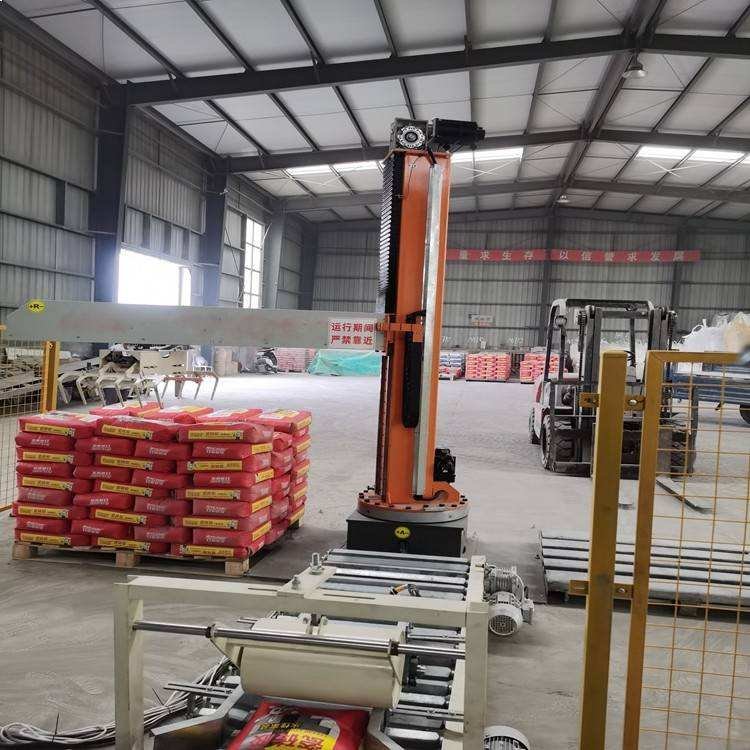
Investing in a column palletizer is a strategic move to automate your end-of-line packaging, boost efficiency, and reduce labor costs. Two of the most critical questions for any business considering this investment are: “What is the column palletizer price?” and “How can I ensure it runs reliably?” This guide provides a transparent breakdown of costs and actionable tips to significantly reduce your column palletizer’s failure rate.

Column Palletizer Price: A 2024 Market Overview

The price of a column palletizer is not a single figure but a range determined by its configuration, capabilities, and origin. Generally, you can expect the following investment ranges:

  • Entry-Level / Basic Models:$50,000 - $80,000 USD
    • Ideal for low-to-medium speed lines, standard pallet patterns, and lower payloads (under 300 kg). Often feature PLC control without advanced software.
  • Standard / Mid-Range Models:$80,000 - $120,000 USD
    • The most common choice. Handles medium to high speeds, heavier payloads (300-800 kg), and includes features like a user-friendly touchscreen HMI and more robust construction.
  • High-Capacity / Premium Models:$120,000 - $200,000+ USD
    • Designed for heavy-duty applications, very high speeds, and extreme payloads (800kg+). Often includes advanced integration options, premium components, and custom engineering.

Key Factors Influencing Cost:

  • Load Capacity & Speed: Higher cycles per hour (CPH) and weight capacity increase the price.
  • Brand & Origin: Established international brands typically cost more than domestic suppliers, but often come with stronger global support.
  • Level of Automation: Integration with robotic arms or vision systems for mixed-case palletizing will add to the cost.
  • Customization: Standard models are cheaper. Custom end-of-arm tooling (EOAT) or special safety fencing will increase the investment.

7 Proven Methods to Reduce Column Palletizer Failure Rates

The initial column palletizer cost is just one part of your Total Cost of Ownership (TCO). Unplanned downtime from failures is the hidden cost that hurts profitability. Here’s how to minimize it:

1. Implement a Strict Preventive Maintenance (PM) Schedule
This is the most effective strategy. A documented PM plan includes:

  • Daily: Visual inspection for leaks, unusual noises, and check lubrication levels.
  • Weekly: Cleaning sensors and photoelectric eyes, checking chain/belt tension.
  • Monthly: Inspecting and lubricating the lifting columns and guides, verifying all electrical connections are tight.

2. Use High-Quality Lubricants and Parts
Don’t cut corners. Using manufacturer-recommended lubricants for the lift columns and guides reduces wear on critical components. Insist on genuine or high-quality certified replacement parts.

3. Ensure Proper Operator Training
Many failures stem from operational errors. Ensure your team is fully trained on:

  • Correct startup and shutdown procedures.
  • Basic troubleshooting (e.g., clearing common jams).
  • How to recognize early warning signs of potential problems.

4. Maintain a Clean Operating Environment
Dust, debris, and product spillage are major enemies of moving parts and sensors. Implement a regular cleaning protocol around and on the machine to prevent material buildup that can cause jams or misreads.

5. Regularly Check and Calibrate Sensors
Faulty photoelectric or proximity sensors are a leading cause of malfunctions and stoppages. Include sensor cleaning and functional checks in your weekly PM routine.

6. Monitor Pallet and Product Quality
The palletizer can only handle what it’s given. Consistently damaged pallets or irregularly shaped products can cause jams and mis-picks, straining the machine. Establishing quality control for incoming pallets and consistent product presentation prevents many issues.

7. Partner with a Supplier Offering Strong Technical Support
Your relationship with the manufacturer shouldn’t end after purchase. Choose a supplier known for:

  • 24/7 Technical Support: Quick access to experts for emergency troubleshooting.
  • Readily Available Spare Parts: Short lead times on critical components.
  • Remote Diagnostics: The ability for technicians to connect remotely to diagnose issues can drastically reduce downtime.

Maximize Your ROI with a Reliable Column Palletizer

Understanding the column palletizer price helps you budget, but implementing a robust maintenance culture protects that investment. By focusing on prevention, you ensure maximum uptime, productivity, and a faster return on investment.

Ready for a Accurate Quote?
we don’t just sell high-quality column palletizers and palletizing robot arms—we become your long-term partner in automation. We provide comprehensive training, detailed maintenance plans, and unparalleled technical support to keep your line running smoothly.

Contact us today for a free, no-obligation consultation and a detailed quote tailored to your specific production needs.

Gantry Palletizer Price Analysis and Fault Reduction Methods

Gantry Palletizer Price Range

Gantry palletizer prices typically range from $50,000 to $150,000 USD, depending on configuration and specifications.

Price Influencing Factors:

  1. Working Capacity & Speed
    • Standard speed models (10-15 cycles/min): $50,000-80,000
    • High-speed models (20+ cycles/min): $80,000-120,000
    • Heavy-duty models (500kg+ capacity): $100,000-150,000
  2. Technical Configuration
    • Basic PLC control system
    • Advanced systems with vision recognition: +$15,000-25,000
    • Custom end-effector design: +$8,000-20,000
  3. Brand Differences
    • Domestic brands: $50,000-90,000
    • International brands: $80,000-150,000

Effective Methods to Reduce Failure Frequency

Preventive Maintenance System:

  1. Daily Maintenance (5-10 minutes)
    • Visual inspection of mechanical components
    • Check pneumatic system pressure
    • Verify safety device functionality
    • Clean guide rails and transmission parts
  2. Weekly Maintenance (30-60 minutes)
    • Lubricate moving parts
    • Check belt tension and wear
    • Inspect electrical connections
    • Clean sensors and detectors
  3. Monthly Maintenance (2-4 hours)
    • Comprehensive mechanical inspection
    • System calibration and alignment
    • Backup system parameters
    • Professional performance testing

Environmental Management:

  • Maintain ambient temperature: 0-40°C
  • Control humidity below 80%
  • Keep away from corrosive gases
  • Ensure stable power supply (±10% voltage fluctuation)

Operational Optimization:

  1. Staff Training
    • Standardized operation procedures
    • Basic troubleshooting training
    • Safety operation certification
  2. Spare Parts Management
    • Maintain critical spare parts inventory
    • Use genuine replacement parts
    • Establish parts replacement records

Technical Support Services

We provide comprehensive support including:

  • Free initial installation guidance
  • Detailed operation training
  • Regular maintenance reminders
  • 24/7 technical support
  • Preventive maintenance plans
  • Remote diagnostic services

Investment Analysis: Proper maintenance can reduce failure rates by 60-70%, extend equipment life by 3-5 years, and achieve ROI within 12-18 months.

Recommendation: Regular maintenance combined with professional technical support ensures optimal performance and maximizes return on investment.

Contact us for detailed quotation and customized solution based on your specific requirements.

Palletizing Robot Price Analysis and Fault Reduction Methods

Introduction In modern automated production, palletizing robots have become crucial equipment for improving efficiency. Many companies considering their implementation focus on two core concerns: equipment investment costs and how to maintain stable operation. This article provides detailed answers to both questions.

Palletizing Robot Price Range

The price of palletizing robots is influenced by various factors, with complete systems typically ranging from $28,000 to $112,000 USD (approximately 200,000 to 800,000 RMB).

Key Price Factors:

  1. Load Capacity & Working Range
    • Small robots (load ≤50kg): $28,000-49,000
    • Medium robots (load 50-150kg): $49,000-84,000
    • Large robots (load ≥150kg): $70,000-112,000
  2. Brand & Technical Configuration
    • Domestic brands offer better cost-effectiveness
    • Imported brands typically cost 30%-50% more
    • Optional features like vision systems and intelligent grasping increase costs
  3. Integration & Customization Requirements
    • Standard application integration accounts for 20%-30% of total investment
    • Special tooling fixtures and custom software development incur additional costs

Effective Methods to Reduce Failure Frequency

Scientific maintenance management can significantly reduce equipment failure rates and improve Overall Equipment Effectiveness (OEE).

Preventive Maintenance Measures:

  1. Establish Standardized Daily Checklists
    • Check air source pressure and power voltage before daily operation
    • Inspect mechanical structures for abnormal looseness or noise
    • Record equipment operation status and maintain health records
  2. Regular Maintenance
    • Every 3 months: Replace filters, check cable wear
    • Every 6 months: Replace lubricant, tighten mechanical connections
    • Annually: Perform comprehensive calibration and system diagnostics
  3. Operator Training
    • Ensure operators master correct usage methods
    • Train basic fault identification and handling capabilities
    • Establish standardized operating procedures

Environmental Management & Optimization:

  1. Improve Working Environment
    • Maintain appropriate temperature and humidity
    • Avoid dust and corrosive gas environments
    • Ensure stable installation foundation to prevent vibration interference
  2. Use High-Quality Supplies
    • Select designated brand lubricants
    • Use original or certified spare parts
    • Ensure air source quality with regular drainage

Our Technical Support & Service Guarantee

We provide comprehensive technical support to our clients:

  • Professional installation team ensures optimal operation
  • Detailed training programs help build self-maintenance capabilities
  • Preventive maintenance plans provide regular equipment health checks
  • Rapid response mechanism ensures timely fault resolution

ROI Analysis: Scientific maintenance methods can reduce equipment failure rates by over 50%, increase mean time between failures to over 8,000 hours, and significantly improve return on investment.

Conclusion Selecting appropriate palletizing robots and implementing scientific maintenance strategies will deliver long-term stable benefits. Through preventive maintenance and standardized operation, high-efficiency and stable equipment operation is achievable.

Contact us today for more technical documentation and personalized solution recommendations. Our professional team provides detailed technical consultation and cost-effectiveness analysis.

How Much Does a Column Palletizer Cost? Is Daily Maintenance Difficult?

Introduction: When considering automation for your production line, column palletizers offer an excellent balance of performance and value. At Yuhong Technology Co. Ltd., we understand that two key concerns for our clients are the column palletizer price and the reality of daily maintenance. This comprehensive guide addresses both aspects to help you make an informed decision.

Understanding Column Palletizer Costs

The investment for a column palletizer varies based on specifications and requirements, with complete systems typically ranging from $30,000 to $80,000 USD.

Key Factors Affecting Price:

  1. Speed and Capacity Requirements
    • Standard models handling 10-15 cases per minute represent entry-level pricing
    • High-speed systems capable of 25+ cases per minute command premium pricing
  2. Automation Level and Features
    • Basic semi-automatic systems start at lower price points
    • Fully automated solutions with advanced controls and integration capabilities represent higher investments
  3. Customization Needs
    • Standard configurations offer the most competitive pricing
    • Specialized end-effectors or unique programming requirements may add 10-25% to base equipment costs
  4. Safety and Compliance Features
    • Basic safety systems are typically included
    • Enhanced safety features and compliance with specific industry standards may affect final pricing

The Reality of Daily Maintenance

Modern column palletizers are engineered for minimal maintenance and high reliability in production environments.

Maintenance Requirements:

  • Daily Tasks (5-10 minutes):
    • Visual inspection for unusual noises or vibrations
    • Basic cleaning of the working area
    • Verification of safety systems functionality
  • Weekly/Monthly Maintenance:
    • Lubrication of moving components (typically requiring 20-30 minutes)
    • Inspection of mechanical components and tightening of connections
    • Verification of alignment and calibration

Maintenance Advantages:

  • Simplified Design: Fewer moving parts compared to robotic systems reduce maintenance complexity
  • Easy Access: Strategic design provides straightforward access to components requiring service
  • Predictable Schedule: Maintenance requirements follow a consistent, predictable timeline
  • Minimal Training: Basic maintenance tasks can be performed by in-house personnel with minimal training

Why Choose Yuhong Technology’s Column Palletizers?

Yuhong Technology Co. Ltd. delivers exceptional value through:

  • Proven Reliability: Our column palletizers are built for continuous operation in demanding environments
  • Energy Efficiency: Optimized designs minimize energy consumption while maintaining high performance
  • Comprehensive Support: Detailed documentation, training programs, and responsive technical assistance
  • Custom Solutions: Ability to tailor systems to your specific production requirements and space constraints

Investment Insight: Column palletizers typically deliver 12-18 month ROI through labor reduction, increased throughput, and improved product handling quality.

Conclusion: Column palletizers represent a smart investment for businesses seeking reliable automation with straightforward maintenance requirements. Modern systems are designed for maximum uptime and minimal intervention, making them an ideal solution for various production environments.

Interested in exploring column palletizing solutions for your operation? Contact Yuhong Technology today for a detailed consultation and customized quotation.

How Much Does a Gantry Palletizer Cost? Is Daily Maintenance Difficult?

Introduction: Considering a gantry palletizer for your heavy-duty automation needs? At Yuhong Technology Co. Ltd., we know that understanding the gantry palletizer price and the reality of its daily maintenance are crucial for your investment decision. This guide provides clear answers to both questions.

Understanding Gantry Palletizer Costs

The cost of a gantry palletizer varies significantly based on specifications and customization. A complete system typically ranges from $50,000 to $200,000+ USD.

Key Factors Affecting Price:

  1. Load Capacity and Size
    Heavy-duty models capable of handling 1,000-2,000 kg loads command premium pricing due to reinforced structures and powerful motors.
  2. Construction and Materials
    Industrial-grade steel frames, precision rails, and high-quality drive systems substantially impact the overall investment.
  3. Automation Level
    Basic semi-automatic systems start at lower price points, while fully automated solutions with advanced controls and integration capabilities represent higher investments.
  4. Customization Requirements
    Specialized end-effectors, unique programming needs, or integration with existing production lines can add 15-30% to base equipment costs.

The Reality of Daily Maintenance

Modern gantry palletizers are designed for minimal maintenance and maximum reliability in industrial environments.

Maintenance Requirements:

  • Daily/Weekly Tasks:
    Visual inspections, basic cleaning, and checking for unusual noises or vibrations (typically requiring 15-30 minutes per shift)
  • Scheduled Maintenance:
    • Rail and bearing lubrication every 1-3 months
    • Drive system inspections quarterly
    • Control system checks semi-annually

Maintenance Advantages:

  • Accessible Design: Straightforward access to components simplifies inspections and part replacement
  • Proactive Monitoring: Modern systems include diagnostic capabilities that alert operators to potential issues before they cause downtime
  • Proven Reliability: Robust construction ensures consistent performance with minimal intervention

Why Choose Yuhong Technology’s Gantry Solutions?

Yuhong Technology Co. Ltd. delivers superior gantry palletizing systems through:

  • Custom Engineering: Solutions tailored to your specific load requirements and facility layout
  • Quality Construction: Industrial-grade components ensure long-term reliability and performance
  • Comprehensive Support: Detailed documentation, training programs, and responsive technical assistance

Investment Insight: Gantry palletizers typically deliver 18-24 month ROI through labor reduction, increased throughput, and improved workplace safety.

Conclusion: While representing a significant investment, gantry palletizers offer exceptional value through reliable performance and straightforward maintenance requirements. Modern systems are designed for minimal downtime and maximum productivity.

Ready to explore gantry palletizing solutions for your operation? Contact Yuhong Technology today for a detailed consultation and customized quotation.

How Much Does a Palletizing Robot Cost? Is Daily Maintenance Difficult?

Introduction: Automating your production line with a palletizing robot is a strategic investment for boosting efficiency and reducing long-term operational costs. At Yuhong Technology Co. Ltd., we understand that two of the most critical questions our clients have concern the palletizing robot price and the reality of daily maintenance. This comprehensive guide addresses both topics to help you make an informed decision.

Understanding Palletizing Robot Costs

The question “How much does a palletizing robot cost?” doesn’t have a single answer, as prices vary significantly based on multiple factors. Generally, complete systems range from $20,000 to over $100,000 USD.

Key Factors Affecting Price:

  1. Robot Type and Configuration
    • Articulated Robot Arms: Provide maximum flexibility for complex patterns and multiple production lines, typically in the mid-to-high price range.
    • Column Palletizers: Excellent for high-speed, repetitive applications like bag or case palletizing, often offering a lower cost-per-case.
    • Gantry Palletizers: Ideal for heavy loads and large operational areas, with pricing reflecting their robust construction and larger work envelope.
  2. Payload Capacity and Reach
    The weight the robot can lift (payload) and its maximum reach significantly impact cost. Higher capacity robots require more robust components and engineering.
  3. Customization and Integration Requirements
    The base robot price is often just one component of the total cost. Custom end-of-arm tooling, safety systems, conveyor integration, and programming can add substantially to the project investment.
  4. Brand and Technical Support
    While established international brands command premium prices, manufacturers like Yuhong Technology offer competitive pricing without compromising reliability, providing exceptional value through direct technical support and service.

Investment Insight: For most standard applications, a complete palletizing system typically represents a 1-2 year return on investment through labor savings, increased throughput, and reduced product damage.

The Reality of Daily Maintenance

Modern palletizing robots are engineered for high reliability and minimal maintenance, contrary to common misconceptions about complex upkeep requirements.

Routine Maintenance Simplified:

  • Daily/Weekly Tasks (Operator Level):
    • Visual inspections for leaks or unusual noises
    • Basic cleaning of the unit and surrounding area
    • These simple tasks require minimal time and no specialized expertise
  • Scheduled Maintenance:
    • Periodic lubrication of moving components (typically every 2,000 operational hours)
    • Routine inspection and tightening of connections
    • Replacement of wear parts like gripper pads or filters

Ensuring Maintenance Efficiency:

The ease of maintenance largely depends on your equipment supplier. Yuhong Technology ensures straightforward upkeep through:

  • Comprehensive documentation and clear maintenance guidelines
  • Intuitive design that facilitates access to components
  • Remote support capabilities for quick troubleshooting
  • readily available spare parts to minimize downtime

Maintenance Reality: The maintenance requirements for a modern palletizing system are significantly less demanding than managing manual labor teams, with most tasks being predictable and scheduled during planned downtime.

Why Choose Our Palletizing Solutions?

Yuhong Technology Co. Ltd. delivers more than equipment – we provide complete automation partnerships:

  • Transparent Pricing: Detailed quotes with no hidden costs, ensuring you understand your investment completely
  • Reliable Equipment: Our column palletizers, gantry systems, and robotic arms are engineered for durability and performance in industrial environments
  • Comprehensive Support: From initial consultation and system design to installation, training, and ongoing maintenance support

Conclusion: The investment in palletizing automation offers compelling returns through increased efficiency and reduced labor costs. Modern systems are designed for reliability, with maintenance requirements being manageable and predictable.

Interested in a specific quote for your application? Contact Yuhong Technology today for a personalized consultation and detailed system proposal.

Gantry Palletizers: The Unrivaled Solution for Heavy-Duty Logistics

In the hierarchy of industrial automation, gantry palletizers stand as titans – engineered for applications where scale, strength, and relentless performance outweigh the need for agility. These systems redefine efficiency in heavy-load environments through five core competitive advantages.

Structural Dominance: Engineering for Extreme Demands

  • Unmatched Span Capabilities:
  • 10m+ work envelope covers multiple production lines
  • Processes wide-format materials (steel coils, construction panels) without repositioning
  • Titanic Load Capacity:
  • Handles payloads exceeding 5 tons (industrial machinery, paper rolls)
  • Maintains ±2mm precision under maximum load
  • Unobstructed Ground Operations:
  • 4m+ clearance height enables AGV/rail systems to operate beneath
  • Supports hybrid automation workflows

Industry Impact: Reduces equipment footprint by 40% compared to multiple robotic cells in metal processing plants.

Performance Engineered for Heavy Industry

CapabilityIndustry BenchmarkOperational Impact
Cycle Speed60+ pallets/hr24/7 continuous operation
Positioning±1mm repeatabilityPrevents $250k+ in annual transport damage
System Uptime99.1% verified<2% production loss in automotive sectors
Changeover<15-min program switchSupports batch sizes from 50-50,000 units

Economic Advantages at Scale

Cost Transformation:

  1. Labor Elimination: Replaces 8-12 high-risk manual positions
  2. Damage Reduction: Cuts product loss to <0.5% in glass/ceramics
  3. Space Optimization: Processes 4 conventional lines in single footprint
  4. Transport Efficiency: Increases container utilization by 22%

ROI Profile:

  • 14-20 month payback in steel/metal sectors
  • 35% lower TCO than articulated robots for >2t loads

Extreme Environment Resilience

  • Protection Systems:
  • IP67-rated models for chemical plants
  • -30°C to 50°C operational range
  • Corrosion-resistant galvanized frames
  • Safety Integration:
  • Predictive collision avoidance
  • Seismic-rated foundations
  • Fail-safe braking systems

Case Study: Cement plant achieved 3 years zero maintenance in high-dust environment.

Dominant Industry Applications

  • Metals: Coil stacking (12-ton capacity)
  • Building Materials: Palletizing 80kg concrete slabs
  • Paper: Handling 3m-wide paper rolls
  • Energy: Wind turbine component stacking
  • Port Logistics: Containerized cargo organization

Strategic Implementation Guide

When to Choose Gantry Systems:
✅ Loads >800kg | ✅ Span requirements >6m
✅ Continuous 24/7 operation | ✅ Harsh environments

Comparison vs. Alternatives:

FactorGantryArticulated Robot
Max Payload10,000kg1,500kg
Work Envelope15x12x8m3.5m radius
Weather ResistanceOutdoor-ratedLimited
Floor Space40m²25m² + safety zones

Future-Ready Evolution

  • Smart Features:
  • AI-powered load optimization
  • Predictive bearing failure alerts
  • Automated pallet quality scanning
  • Sustainability Integration:
  • Regenerative drive systems
  • Energy recovery modes
  • Carbon footprint monitoring

Why Gantry Palletizers Endure:

“Where strength and scale converge, gantry systems deliver unparalleled ROI. They transform heavy logistics from operational challenge to competitive advantage.”
– Global Manufacturing Technology Report, 2023

Keywords: gantry palletizers, heavy-duty automation, industrial robotics, logistics optimization, palletizing systems

Back to Top
Product has been added to your cart